Return to Uzone News Portal

Digital wallets are at the forefront of the financial sector’s digital transformation. These software-based systems securely store payment information and passwords. Shortly after their introduction, digital wallets quickly became a preferred transaction method worldwide—reshaping how consumers manage money and conduct business.
Nicholas Holt, Head of Solutions and Delivery at Marqeta for Europe, stated, “The future of payments is digital, and digital wallets will continue to dominate the market globally as consumers demand more innovation and convenience in payments and banking.”
The emergence of digital wallets is part of a broader trend driven by technological advancement. Other factors, such as shifting consumer preferences and the need for more efficient and secure payment methods, also fuel this growth.
The Rise of Digital Wallets
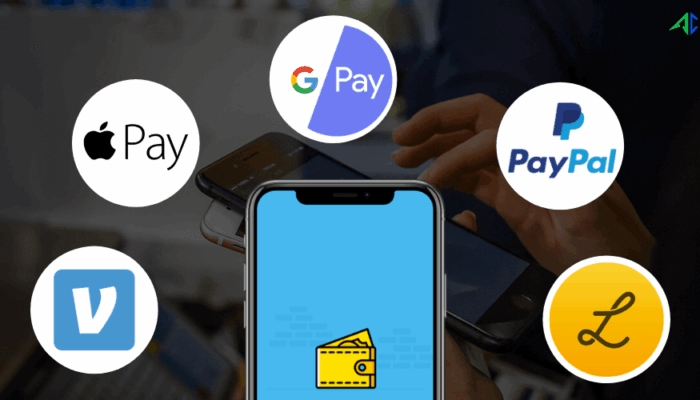
A digital wallet is an application that operates on internet-connected mobile devices such as smartphones and tablets. These wallets do more than just store payment information—they enable users to make payments directly from their devices.
Just like a traditional wallet, a digital wallet holds various payment methods such as credit cards, debit cards, and bank account numbers, all of which can be used for transactions. With a digital wallet, customers no longer need to manually enter their card or billing information. Some wallets even allow users to redeem rewards, use loyalty points, or store cryptocurrencies.
Globally, several major digital wallet companies are leading the market. PayPal, Venmo, and Cash App, for instance, offer platforms that let users make online and in-person payments directly through their respective apps. Beyond these three, many other digital wallet services have also gained popularity.
Apple Pay currently leads the digital wallet space, processing around $10 trillion per year, with more than 60 million users in the United States by 2025. The wallet app is available on Apple devices such as the iPhone, iPad, and Apple Watch.
Google Pay, with over 100 million users, supports both online and in-store payments. Integrated into Android devices and Google services, it offers broad accessibility.
Amazon Pay, part of Amazon’s e-commerce ecosystem, is another highly popular wallet. It enables users to make fast, secure transactions on third-party websites using payment methods stored in their Amazon accounts.
Challenges and Risks of Digital Wallets
Every payment method comes with challenges—and digital wallets are no exception. One major concern is their close link to mobile devices. While this connection offers convenience, it also introduces vulnerabilities. A malfunctioning device, poor connectivity, or a drained battery can all disrupt access to payments.
Security is another major issue. If someone’s phone is stolen, thieves could potentially access their digital wallet and deplete its contents. Maintaining strong digital security is therefore crucial for protecting users.
The convenience of digital wallets also encourages frequent transactions—sometimes with little to no friction. While this can be beneficial, it may also expose users to unverified or fraudulent merchants. Once a payment is made, reversing it is often difficult.
The Future of Cash in a Digital World
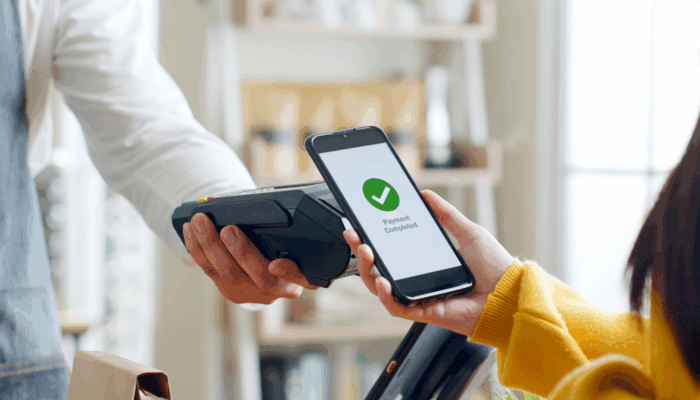
Each year, the number of digital wallet users continues to rise. Many governments are now supporting cross-border payment systems to facilitate international transactions. One example is the United Kingdom and the European Commission, which is currently developing the European Digital Identity.
This identity system will be available to EU citizens, residents, and businesses, helping them verify their identity and enhance the security of cross-border payments. EU member states are expected to issue the first digital wallets under this initiative by the end of 2026.
In Indonesia, the government is actively expanding the use of QRIS (Quick Response Code Indonesian Standard) to neighboring countries. So far, QRIS can be used in Thailand, Malaysia, Singapore, the Philippines, Vietnam, Laos, Brunei Darussalam, Japan, and South Korea. Several ASEAN countries have signed agreements for QR-based payment cooperation with Indonesia, making it possible for travelers to make transactions conveniently without exchanging physical cash.