Return to Uzone News Portal

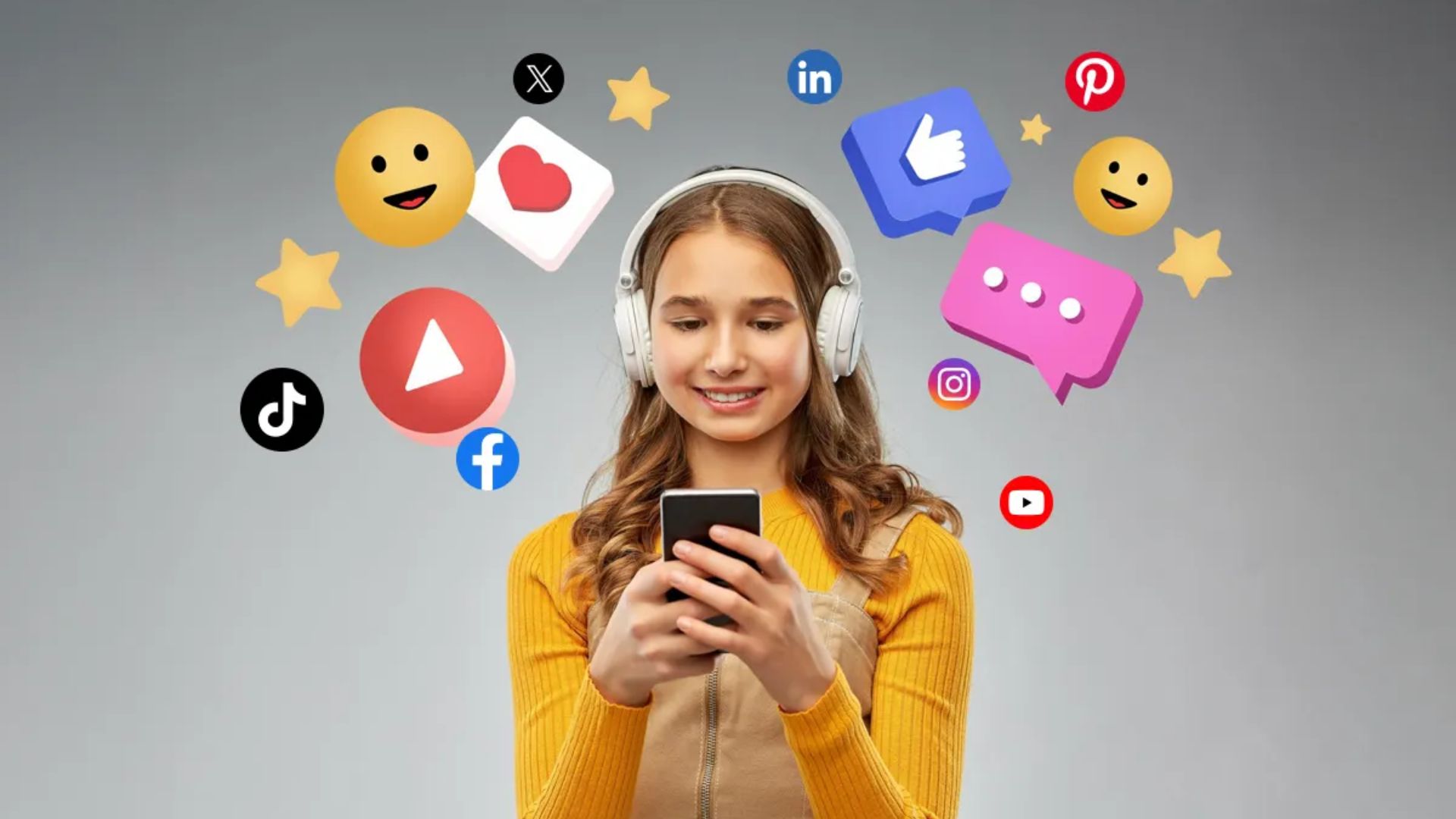
Why do some pieces of content explode virally while others fade into obscurity? Let’s dive into the psychology behind this phenomenon. Social media has become a space where content is uploaded, consumed, and shared on a massive scale. Yet, algorithms make it nearly impossible to predict exactly which content will take off.
At first glance, virality might seem like luck—but if we look deeper, there’s a fascinating psychology behind it. Understanding why certain content goes viral is valuable for businesses, marketers, and influencers who aim to reach a wider audience.
It’s important to remember that virality isn’t purely random. Viral content is deeply rooted in psychology principles that leverage emotion, relatability, novelty, and shareability to reach more people.
The Science Behind Virality
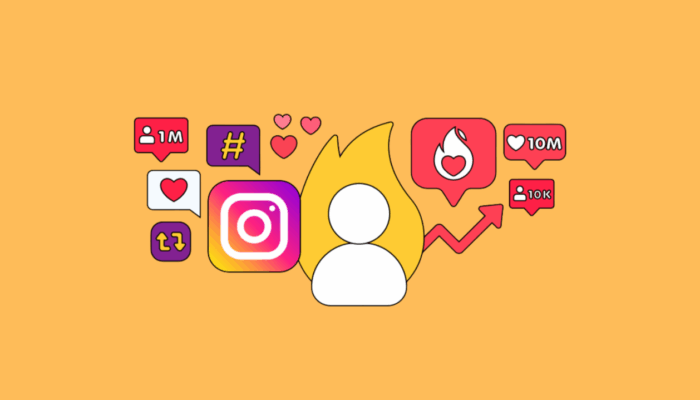
In reality, virality is not an accident—it’s engineered. From emotional storytelling to surprise elements and strategic distribution, several factors can spark that much-desired viral moment.
Being viral isn’t just about creating great content. It’s about triggering strong emotional responses that make people want to share what they’ve seen.
The human brain is complex—it’s wired to seek, engage, and share, especially with content that triggers emotion, reinforces beliefs, or enhances social status.
Emotions are contagious—sadness spreads, but so does joy. Emotion is the key factor that determines whether content spreads widely or disappears unnoticed. Content that makes people smile, laugh, or feel good creates social currency. One great example is Burger King’s 2024 campaign titled “Have It Your All”.
The campaign allowed customers to create custom Whopper orders using AI-generated ideas. The mix of humor, absurdity, and cultural relevance to tech made it a viral sensation—collecting millions of TikTok duets and memes shared across platforms.
Strategies for Creating Viral Content
The hook—or opening of a video—is the key to capturing attention. On any digital platform, the first three seconds determine whether viewers will keep watching or scroll away. Missing this “golden time” dramatically reduces your viral potential.
There are several ways to grab attention. You can start with a surprising statement or question to spark curiosity quickly. Strong visuals also help capture focus instantly.
Next, focus on building an emotionally engaging story. Use storytelling to create a compelling narrative that evokes strong reactions. Just as important, tailor your format and tone to your audience’s preferences.
Stay updated on social media trends. Use relevant hashtags to make your content more discoverable. Occasionally, you can encourage participation through challenges—just make sure the rules require users to share and tag their friends.
Another strategy is to foster engagement—ask questions, prompt comments, and encourage sharing. Use persuasive language to motivate your audience to take action. Collaborating with other influencers can also boost reach and credibility.
Finally, analyze which types of content resonate most with your audience, then adjust your strategy accordingly.
From Sharing to Buying: The Conversion Path
Unlike traditional marketing strategies, viral marketing relies on people actively spreading messages, creating passive yet powerful engagement. Compared to traditional marketing, viral strategies offer sharper targeting, faster reach, and lower costs.
Viral marketing has proven effective in shaping consumer attitudes and purchase intentions in today’s business landscape. Social media usage significantly influences how people perceive and decide to buy products, underscoring how digital platforms can elevate brand visibility and drive exponential growth.
Many researchers have found viral content to be both cost-effective and precise in targeting customers compared to conventional marketing methods.
In recent years, viral campaigns have become a popular strategy for businesses to promote their products or services. Brands are using social media platforms to launch creative, engaging viral campaigns that attract countless potential customers—often at minimal cost.